‘Phantom Debt’ Collections on the Rise, Reports Better Business Bureau
CHICAGO, IL – Scammers are collecting thousands of dollars in “phantom debt”, debt consumers do not actually owe, using abusive, intimidating and deceptive tactics with consumers who owe no money. The Better Business Bureau (BBB) urges consumers to be aware of the important warning signs.
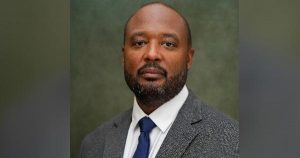
“One sign of a potential scam is the aggressive and threatening nature of the statements from supposed debt collectors,” says Steve Bernas, president & CEO of Better Business Bureau serving Chicago and Northern Illinois. “Another indicator is their interest in obtaining personal identity information from you, such as credit card numbers or bank account numbers.”
Bernas noted that in some instances, consumers are threatened with arrest or legal action for not paying debts that the scammers claimed are owed.
According to Federal Trade Commission (FTC), more debt collection cases have been filed in 2014 than ever before in a given year.
BBB of Chicago and Northern Illinois saw a seven percent increase in the number of debt collector complaints to 878 during the time period of February 2014 to February 2015,
from 819 during February 2013 – February 2014.
It may be a phantom debt collector calling if the person:
- Is seeking payment on a debt for a loan you do not recognize.
- Refuses to give you a mailing address or phone number.
- Asks you for personal, financial or sensitive information.
- Exerts high pressure to scare you into paying, such as threatening to have you arrested or to report you to a law enforcement agency.
The BBB offers the following tips when dealing with someone who may be a debt collector:
- Ask the caller for contact information. Tell the caller that you refuse to discuss debt until you receive a written “validation notice,” which is a written notice of the amount of debt and your rights under the Fair Debt Collection Practices Act. If a caller refuses to give you all of this information, do not pay.
- Stop speaking with the caller. If you have the caller’s address, send a letter demanding him or her to stop contacting you. If debt collectors receive this letter in writing, they must stop calling you.
- Don’t give personal or financial information. If you don’t know exactly who you’re dealing with, never confirm sensitive information such as your bank account, credit card or Social Security numbers. Scammers use this information to commit identity theft.
- Contact your creditor. If you are in debt, but you think the debt collector calling isn’t legitimate, contact your creditor. Use contact information from your personal online account, not information given to you by the caller. Your creditor is able to find out who the suspicious caller is and if they are authorized to collect a debt from you.
- Report the call. Don’t hesitate to call the Better Business Bureau , FTC, or your state Attorney General. Illinois has its own debt collection laws and these offices are able to help you determine your rights under your state’s laws.
For more information, visit www.bbb.org, like us on Facebook , follow us on Twitter or add us on Pinterest.