NAACP Statement on Revised EPA Smog Rule
WASHINGTON, DC – The Environmental Protection Agency revised its rule on limits to ground-level ozone – or smog – downward from 75 parts per billion to 70 ppb. This is the first time the standard has been updated since 2008.
In the years since the last update, scientists and advocates have pushed for a limit of 60 ppb. The Clean Air Science Advisory Committee (CASAC), EPA’s own independent scientific advisors, recommended that the limit be lowered to between 60 and 70 ppb stating that “it may not meet the statutory requirement to protect public health with an adequate margin of safety.” Although a level of 70 ppb is more protective of public health than the current standard, a limit of 60 ppb would, according to CASAC, provide an adequate margin of safety.
Pulmonologists with the American Lung Association have stated that inhaling smog pollution is “like getting a sunburn on your lungs,” often resulting in immediate breathing trouble. Long term exposure to smog pollution is linked to chronic asthma and other respiratory and lung diseases, reproductive and developmental harm, and even premature death.
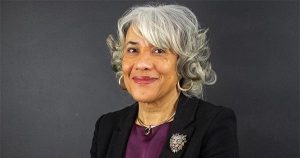
From Jacqueline Patterson, Director, NAACP Environmental and Climate Justice Program:
While we applaud the progress towards a stronger regulation, our children, families, and communities deserve better than a 70 parts per billion standard. As with the other drivers of climate change, smog pollution has a disproportionate impact on communities of color. Fossil fuel burning plants and heavy-traffic roadways, key sources of ozone emissions, are often situated near our communities. African American children are twice as likely to die of asthma and three times more likely to be admitted to the hospital for an asthma attack while African American adults are more likely to die of lung disease while being less likely to smoke. Therefore, we are disappointed with the failure to even meet the recommendations of the Clean Air Scientific Advisory Committee. As they face greater health challenges with less access to adequate healthcare, this will mean setting our young people back in school and it will mean more missed work at lower pay for their parents. We have heard the claim from the National Black Chamber of Commerce that clean air rules will negatively impact our communities economically. But while the NBCC cites a widely-debunked report to substantiate these claims, our communities are facing worsening health outcomes while also experiencing compromised educational achievements for our children and already existing economic challenges for all. And things will only get worse. July of 2015 was the hottest month in recorded history. Rising temperatures lead to higher levels of smog and soot so we can expect a fourfold increase in ozone action days by the end of the century. For the health and wellbeing of our children and communities we insist on stronger protective safeguards.