Illinois Department of Human Rights Commemorates 50th Anniversary of Landmark Civil Rights Act of 1964
Agency Unveils National Traveling Exhibition of 1961 Freedom Riders at James R. Thompson Center
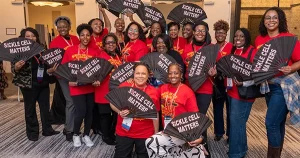
CHICAGO, IL – The Illinois Department of Human Rights (IDHR) commemorated the landmark 1964 Civil Rights Act with a proclamation from Governor Pat Quinn declaring today Civil Rights Act Day in the state of Illinois, and with local dignitaries who worked in the Civil Rights Movement. IDHR also unveiled the Freedom Riders national traveling exhibit, which will be displayed until July 11 at the James R. Thompson Center, 100 W. Randolph St. in Chicago.
“We’re proud to commemorate the 50th anniversary of the Civil Rights Act – a groundbreaking law that guides much of our work in the Illinois Department of Human Rights in protecting the rights of individuals against discrimination in every aspect of their lives,†Director Claps said. “We remain vigilant in upholding the spirit and letter of this law for the people of Illinois.â€
The Civil Rights Act of 1964, signed by President Lyndon B. Johnson and enacted on July 2, 1964, outlawed discrimination based on race, color, religion, sex, or national origin. It also ended unequal application of voter registration requirements and racial segregation in schools, at the workplace and in public accommodations. Similarly, IDHR conducts outreach and educational activities to underscore its efforts to combat discrimination in Illinois. The Illinois Human Rights Act protects individuals from discrimination based on race, color, religion, sex, national origin, ancestry, age (40 and over), marital status, physical, mental or perceived disability, military status, familial status, sexual orientation (including gender identity) or unfavorable military discharge.
As part of the celebration, IDHR also unveiled the Freedom Riders exhibition, which illustrates the courageous journey that more than 400 Americans — old and young, black and white, men and women, Northern and Southern — made in the summer of 1961 as they risked their lives to challenge segregated facilities in the South. “Freedom Summer†is largely credited with providing the groundwork for what ultimately became the Civil Rights Act. The exhibit, featuring photos, news clippings and other historic items documented throughout six months in 1961, will remain on display at the Thompson Center until July 11. The Thompson Center is one of only 20 sites nationwide selected to host the Freedom Riders exhibit this year.
Director Claps was joined by Thomas Armstrong of Naperville, a Freedom Rider who shared his story about the courageous journey he made on interstate buses with other activists through the segregated south during “Freedom Summer†in 1961. Congressman Bill Foster, Illinois Attorney General Lisa Madigan, Illinois Secretary of State Jesse White and DuSable Museum of African-American History President and CEO Carol Adams also were featured speakers at the event.
A proclamation from Governor Pat Quinn also was presented at the event and it reads:
WHEREAS, the Civil Rights Act of 1964 prohibits discrimination on the basis of race, color, religion, sex, or national origin; and,
WHEREAS, passage of the Civil Rights Act ended the application of “Jim Crow†laws, which had been upheld by the Supreme Court in the 1896 case Plessy v. Ferguson, in which the court held that racial segregation purported to be “separate but equal†was constitutional; and,
WHEREAS, prior to his assassination, President John Kennedy proposed civil rights legislation in response to the tumultuous summer of 1963 when several incidents of racially motivated violence occurred across the South. Once sworn into office, President Lyndon Johnson pledged to move forward with President Kennedy’s legislative agenda, particularly on the issue of civil rights; and,
WHEREAS, signed on July 2, 2014, by President Lyndon Johnson, the passage of the Civil Rights Act was directly attributable to the bold leadership of many noteworthy legislators including Senator Edward Kennedy and Illinois Senator Everett Dirksen; and,
WHEREAS, the Civil Rights Movement was propelled by organizations like the NAACP and individuals from the grassroots who made enormous sacrifices in their personal and professional lives, especially those who were part of the famed Freedom Riders; and,
WHEREAS, the Civil Rights Act paved the way for future anti-discrimination legislation, including the Voting Rights Act of 1965; and,
WHEREAS, July 2, 2014, is the 50th anniversary of the Civil Rights Act being signed into law; and,
WHEREAS, the Illinois Department of Human Rights (IDHR), which is responsible for investigating allegations of discrimination and initiating discrimination complaints before the Human Rights Commission as well as monitoring equal opportunity for all state agencies and firms doing business with the state, has played a critical role in safeguarding civil rights across the Land of Lincoln; and,
WHEREAS, on July 2, 2014, IDHR will host a press conference to recognize the 50th anniversary of the Civil Rights Act, a historic milestone in our nation’s history; and,
THEREFORE, I, Pat Quinn, Governor of the State of Illinois, do hereby declare July 2, 2014, as CIVIL RIGHTS ACT DAY in Illinois, in support of promoting equality for everyone, and in recognition of the 50th anniversary of the signing of the landmark Civil Rights Act.